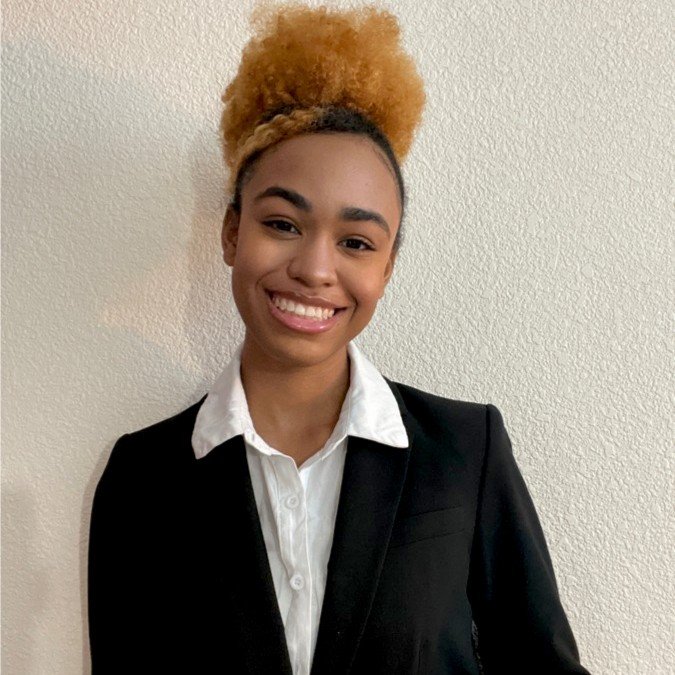
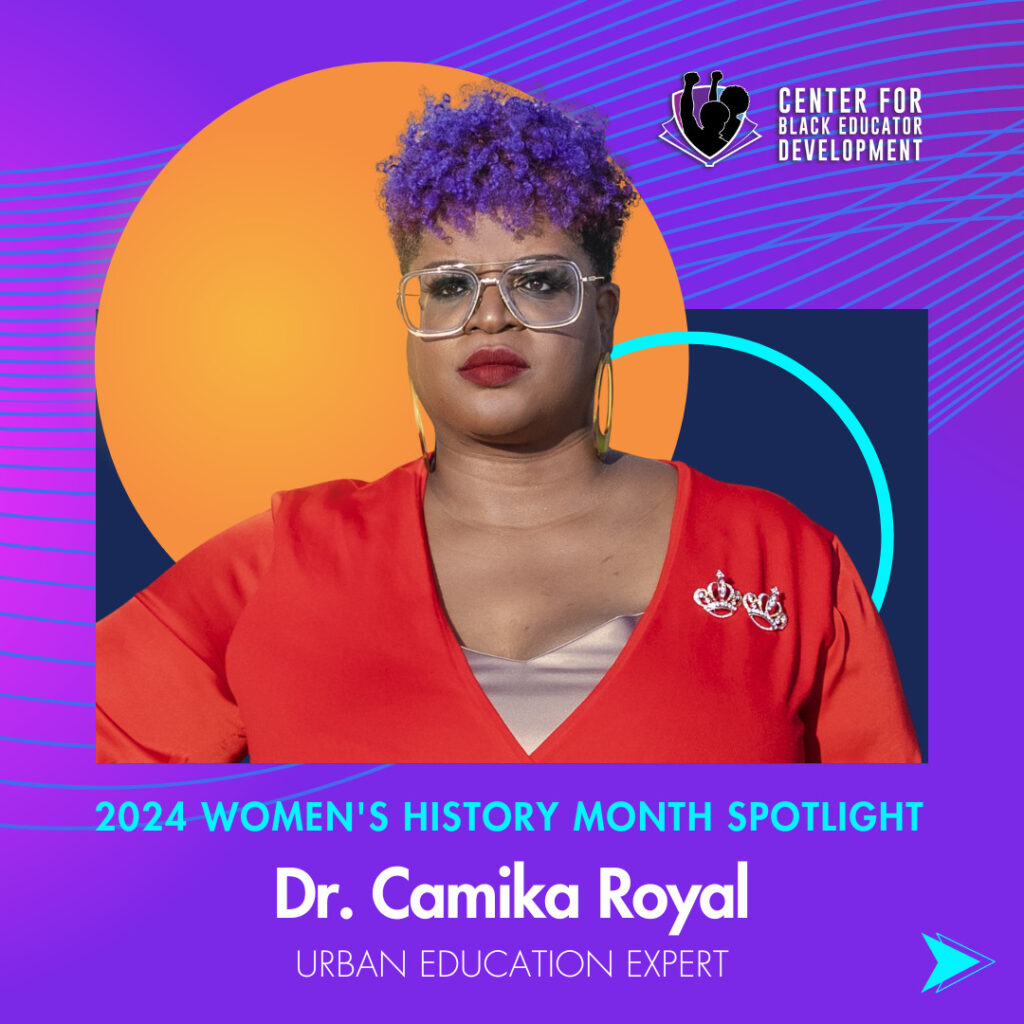
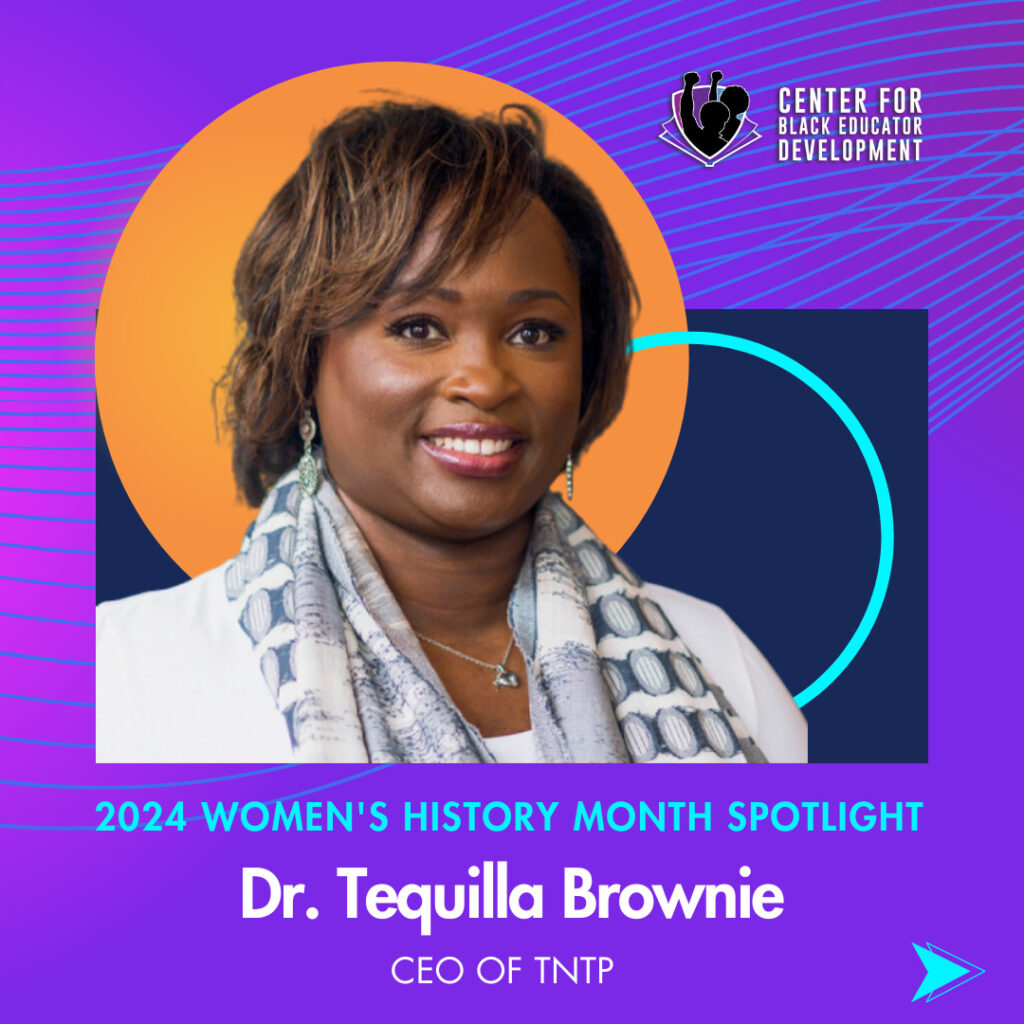
Women’s History Month Spotlight: Dr. Rahesha Amon
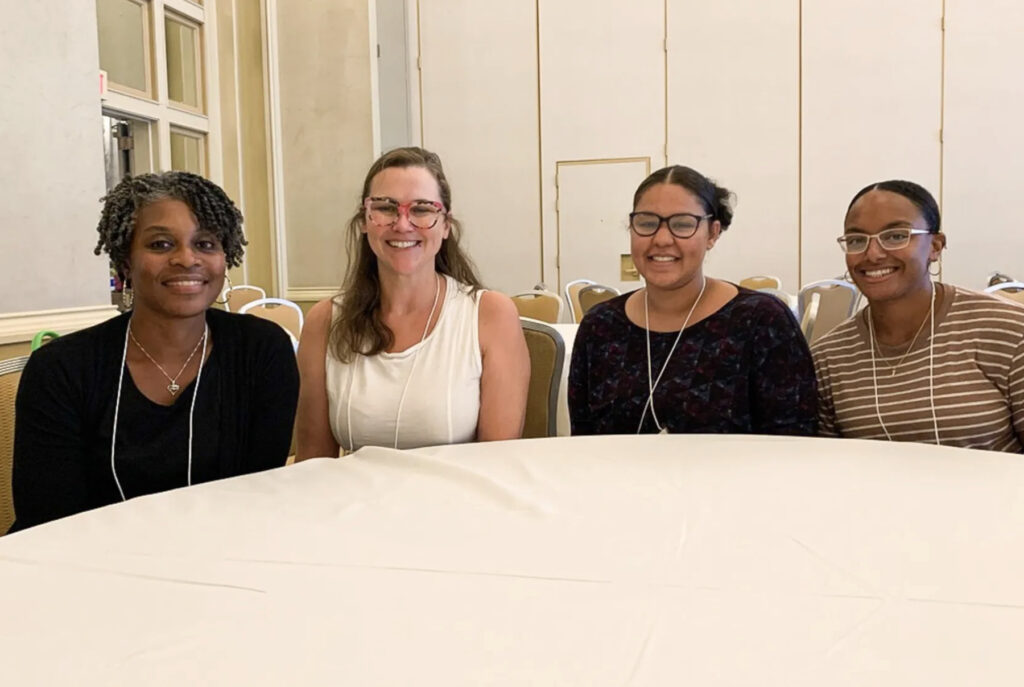
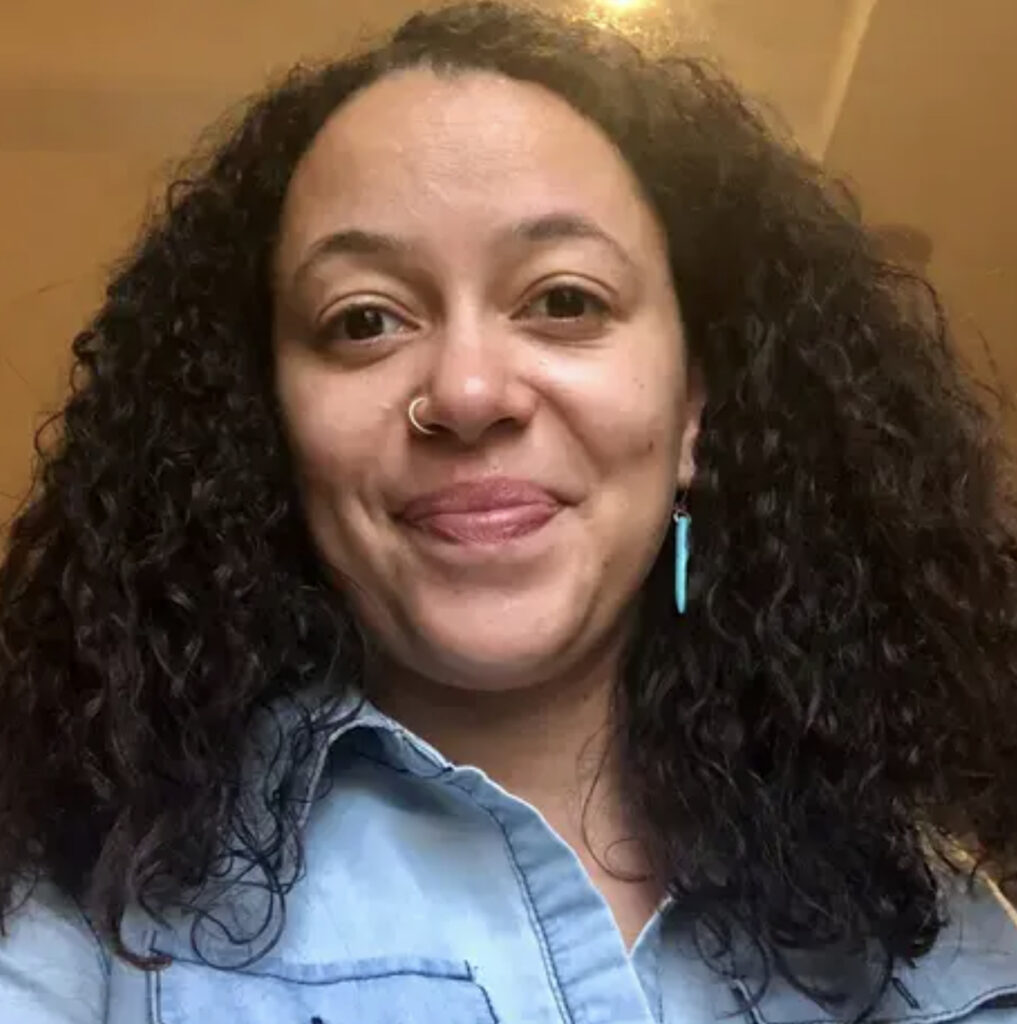
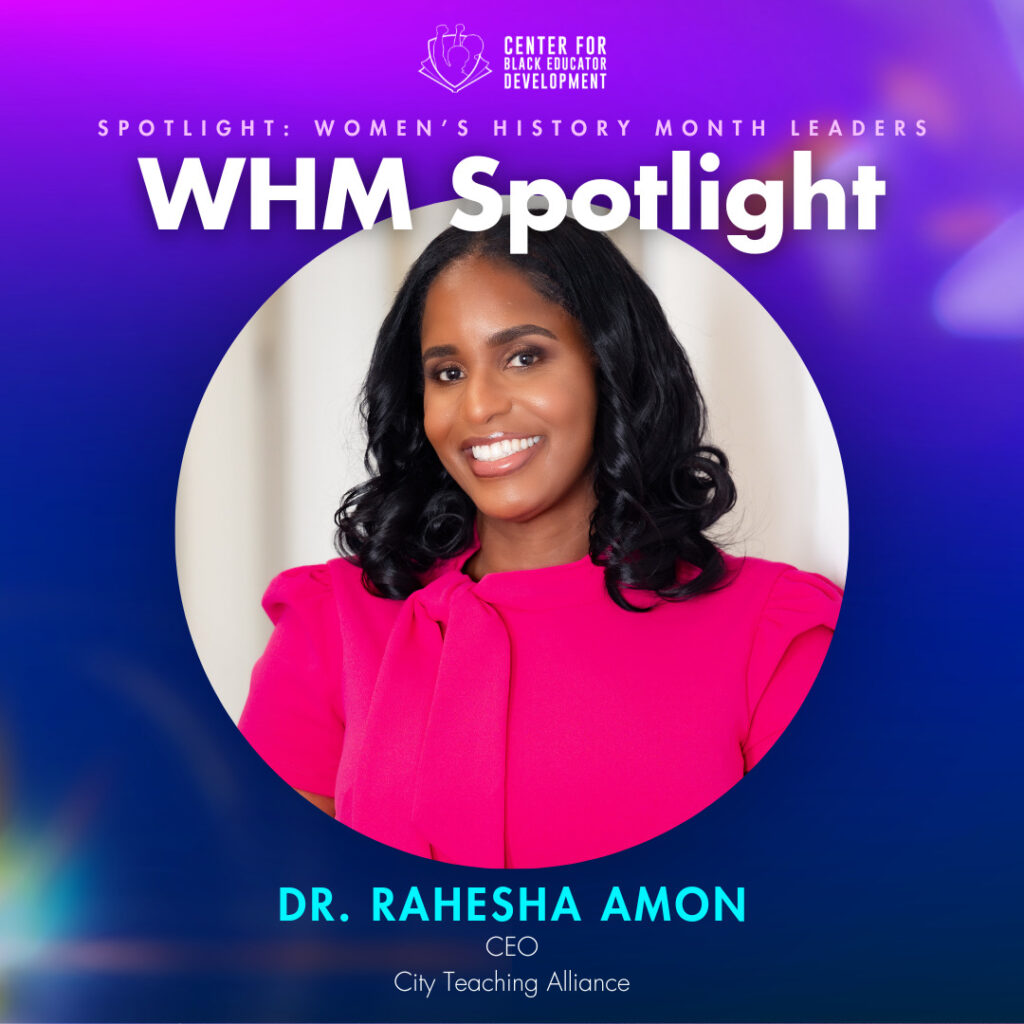
During Women's History Month, we're asking educational leaders to share insights with us. Up next, we hear from Dr. Rahesha Amon, CEO at City Teaching Alliance.
What would you like young Black women and men considering education to understand about their power?
You are not entering a broken system as a fixer. You are entering as an heir.
The educators who came before us taught in church basements and overcrowded classrooms when the law said otherwise. They built freedom schools out of necessity and love. They did not wait for permission to believe in children. They worked without the resources or recognition they deserved, but they had clarity of purpose and the courage to act on it anyway.
You are stepping into that lineage.
Your identity is not a liability in the classroom. It is a credential no certification program can issue. When a child who looks like you sees you leading that room, something shifts that no curriculum can manufacture. That moment of recognition and possibility is powerful.
But this work requires more than passion. It requires preparation. It requires community. And it requires a long view. The most meaningful impact a teacher has is often invisible in the first year.
Staying is a form of power. Choosing this work, preparing deeply for it, and committing to a community over time is not a sacrifice. It is a strategy. It is a living legacy. And the children in your future classrooms are already counting on you to understand that.
How do you protect your joy and purpose while leading in systems that were not designed with us in mind?
This question has changed for me as my roles have changed.
Early in my career, I believed that if I worked hard enough and stayed focused enough, the system would eventually meet me where I was. What I learned, sometimes painfully, is that waiting for a system to create space for your joy is a losing strategy. That was never part of its original design.
As I moved from leading students to leading adults and organizations, protecting my joy took on new meaning. It was no longer only about sustaining myself in a classroom. It became about modeling what steady, grounded leadership looks like for other adults. When you lead adults, your regulation sets the tone. Your clarity shapes culture. Your depletion spreads just as quickly as your strength.
I had to learn that I could not build belonging for others if I was quietly eroding my own. So I root myself in impact.
I think about the students I have taught, coached, and watched grow over thirty years. I think about the educators I now support who are choosing to stay in classrooms that need them. Protecting my joy is about protecting the conditions that allow me to show up steady for both.
I also draw from legacy. Pride has long been a quiet act of resistance in Black communities. My mother taught me dignity and agency. My father taught me that love and forgiveness are strength. Those lessons shape how I lead adults. Firm, but humane. Clear, but grounded in care.
My late pastor, Reverend Dr. Calvin O. Butts, often said, “Get a checkup from the neck up.” In a compassion-driven field, protecting your mental and emotional health is not self-indulgent. It is stewardship. The children and the adults I lead deserve a leader who is whole.
Joy is not a reward for enduring hard seasons. It is a discipline. It is how I remain purposeful while shaping systems that were not originally built with us in mind.
What does true belonging look like for Black educators inside schools and systems?
Belonging is not a diversity statement on a website. You feel it, or you do not, the moment you walk through the door.
After thirty years inside school buildings and now leading an organization that prepares and supports educators, I have come to believe belonging is one of the most underestimated variables in retention. We invest heavily in recruitment, pipeline initiatives, and incentives. We invest far less in what happens once an educator arrives.
True belonging means your identity is treated as an asset. It means your preparation was rigorous and your coaching is real. It means someone in the building knows your name, your story, and your professional goals, and checks on all three.
It also means that when you raise a hard question in a staff meeting, the silence in the room does not signal that you have gone too far.
When Black educators leave, it is rarely about commitment. It is about whether the structure around them reinforced that commitment or slowly depleted it. It is about whether leadership created conditions for growth or left them to survive on grit alone.
Belonging is a design question. Too many systems have not yet examined who their structures were originally built for and who remains outside of them.
If we are serious about building a teacher workforce that reflects, serves, and stays with the communities that need stability most, belonging cannot be aspirational. It must be structural.