

Black Teacher Appreciation Day
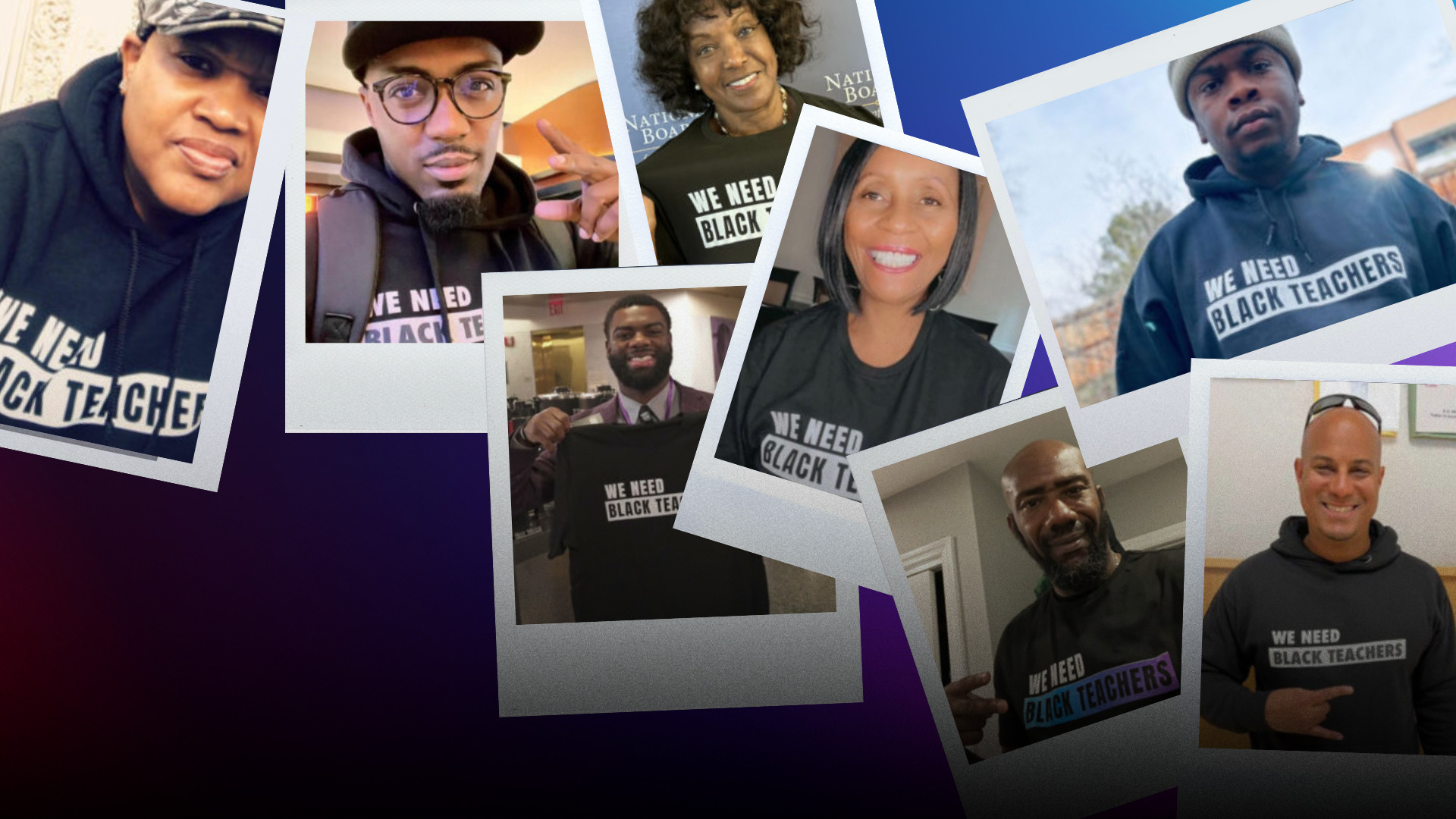
MAY 7, 2026: A DAY OF ACTION TO CELEBRATE BLACK TEACHERS BECAUSE #WENEEDBLACKTEACHERS
Join us in honoring this year’s National Black Teacher Appreciation Day theme, Black Resistance and Joy: Celebrating Black Educators and Teaching as a Practice of Freedom.
This is a national storytelling movement to celebrate Black educators. Students and adults across the country can point to a teacher who has changed their lives. For millions of people across the country, that teacher was a Black educator.
Following the 1954 Supreme Court decision in Brown v. Board of Education, more than 100,000 Black teachers and school leaders lost their jobs as Black schools were closed and newly integrated schools refused to hire them.
The loss of these educators disrupted the Black teacher pipeline for generations.
Today, Black teachers make up only about 7 percent of the teaching workforce, even though Black students make up more than 15 percent of the public school population.
Black Teacher Appreciation Day is a moment to both celebrate the educators who continue to shape lives today and to rebuild the pipeline for the future.
This year, we invite students, families, educators, and communities across the country to share their stories.
Because behind every success story, there is often a teacher who believed in someone first.
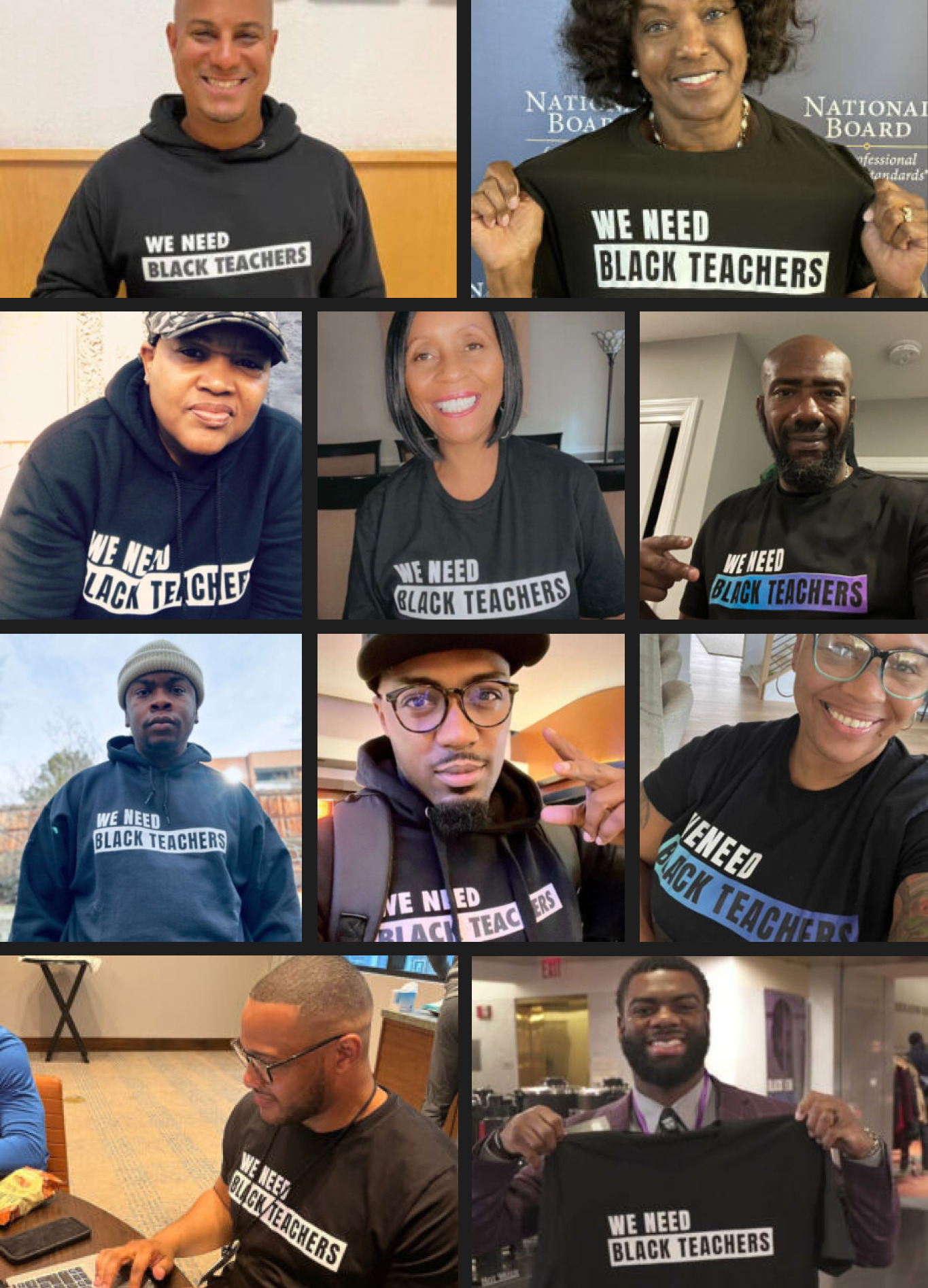
How To Join Black Teacher Appreciation Day
We need everyone—students, families, educators, and advocates—to take action and show appreciation for Black teachers on May 7, 2026.
Here’s how you can participate in Black Teacher Appreciation Day 2026:
- Nominate a Black Teacher – Our nomination form is now closed – but please help us celebrate a Black teacher who impacted your life. Be sure to post a Thank a Black Teacher message on May 7th.
- Share Your Story – Complete the sentence: “Because of a Black teacher…” Invite people to post a story, video, or message about a Black teacher who shaped their life and share how.
- Thank a Black Teacher – Write a message, post a video, tag a teacher who inspired you and/or changed your life and tell us why you’re thankful for them on May 7th. (Tag @centerblacked so we can uplift it
- Join the Movement – Invite deeper engagement with the #WeNeedBlackTeachers campaign, sign up for the Center’s mailing list, grow CBED’s national network of supporters, educators, and students interested in the teaching profession
- Become a Teacher – Learn how to become a teacher through resources, fellowships and partnerships. Students interested in becoming educators can explore pathways through the Center for Black Educator Development.
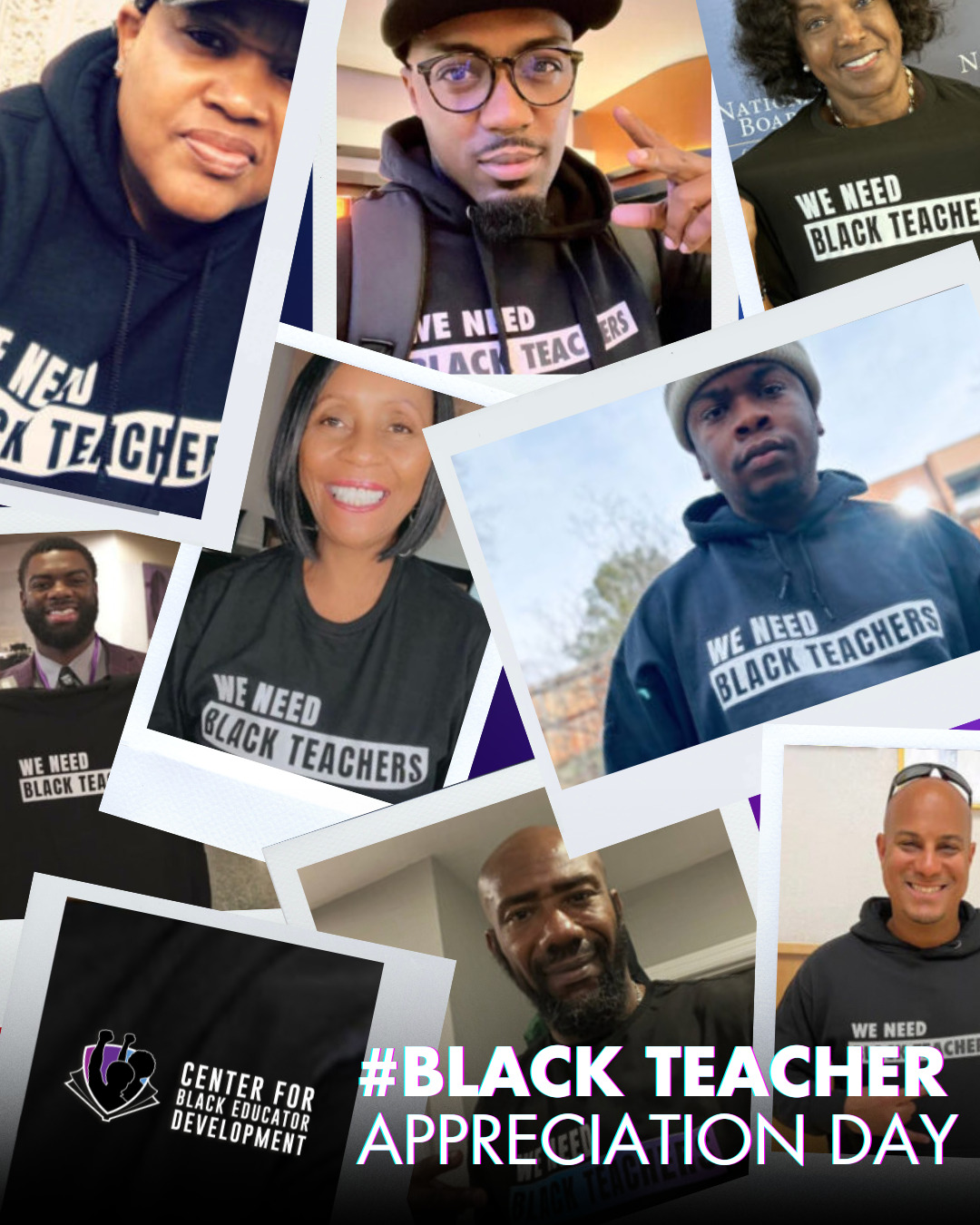
Celebrate Black Teacher Appreciation Day Online
Help spread the word about Black Teacher Appreciation Day on May 7, 2026! Use our social media toolkit to let your community know all about it.
Tag and follow: @centerblacked on all of our social media channels!
Main hashtag: #ThankABlackTeacher
#WeNeedBlackTeachers


WHO WE ARE
The National Black Teacher Pipeline Coalition
In 2022, the Center for Black Educator Development spearheaded this coalition to support the development and sustainability of Black teacher pipelines across the country. Coalition members include:
- Black Teacher Collaborative
- Black Teacher Project
- Education PowerED
- Healing Schools Project
- Real Men Teach
- United Negro College Fund (UNCF)
Additional Black Teacher Appreciation Day partners include:
- Black Educators Matter
- Aimly
To learn more, please contact Mimi Woldeyohannes.
